
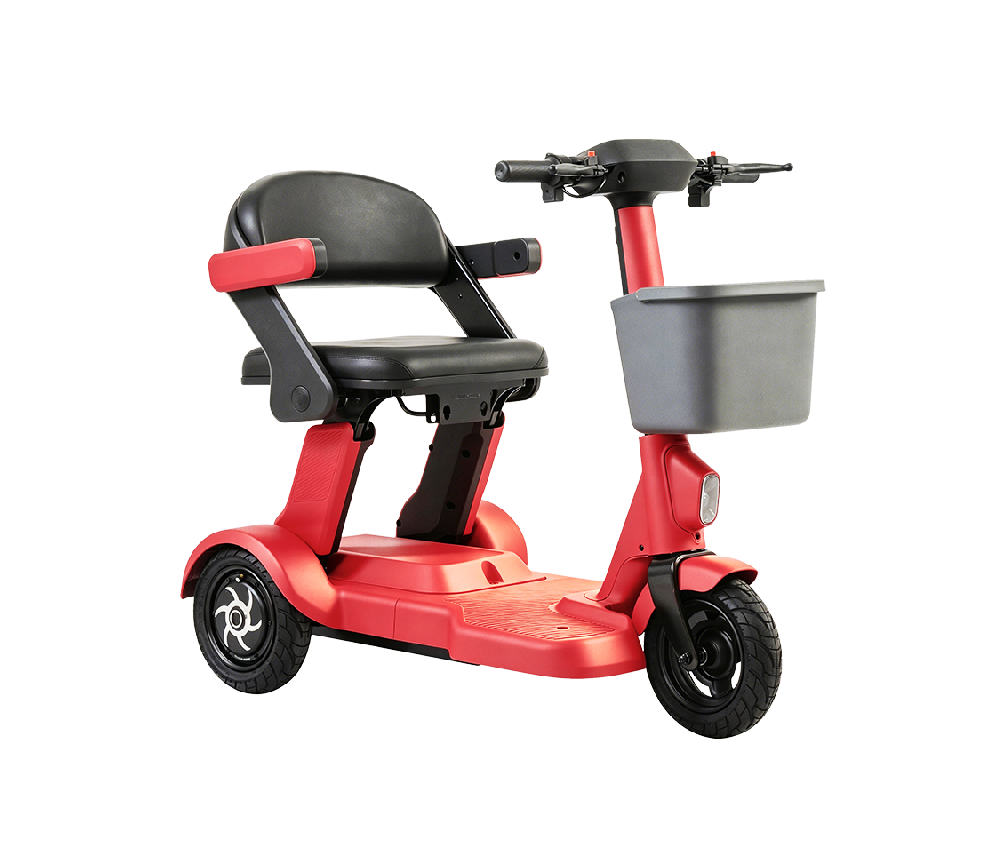
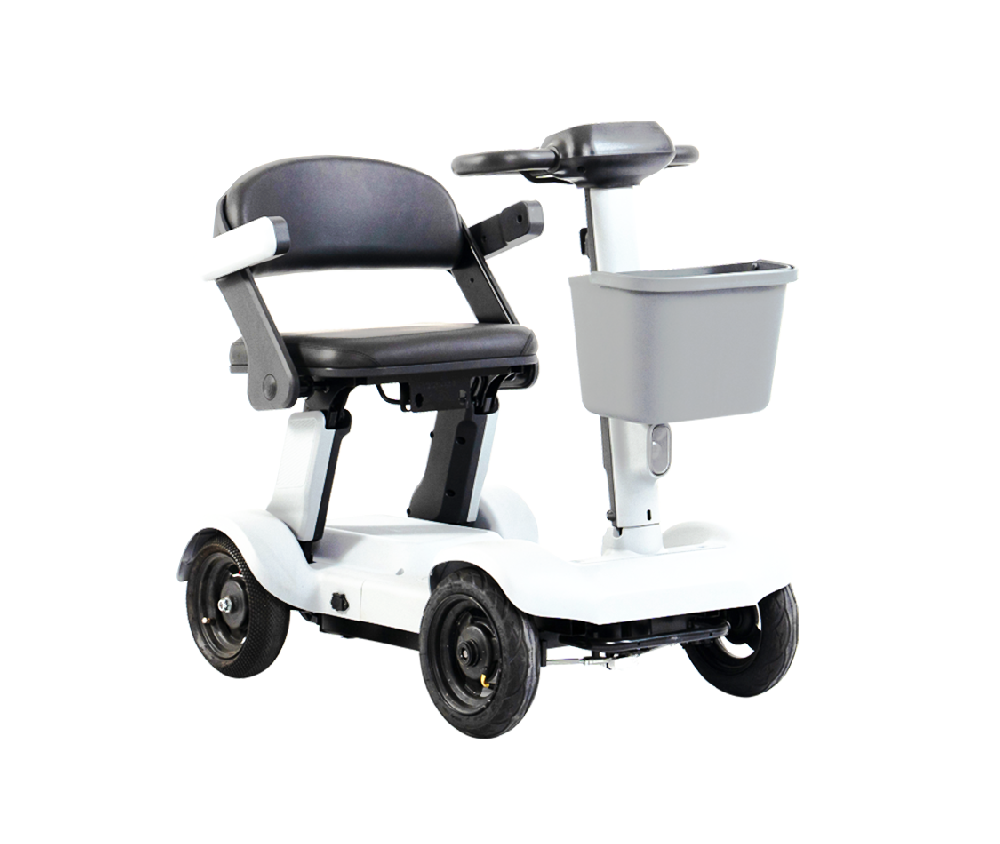
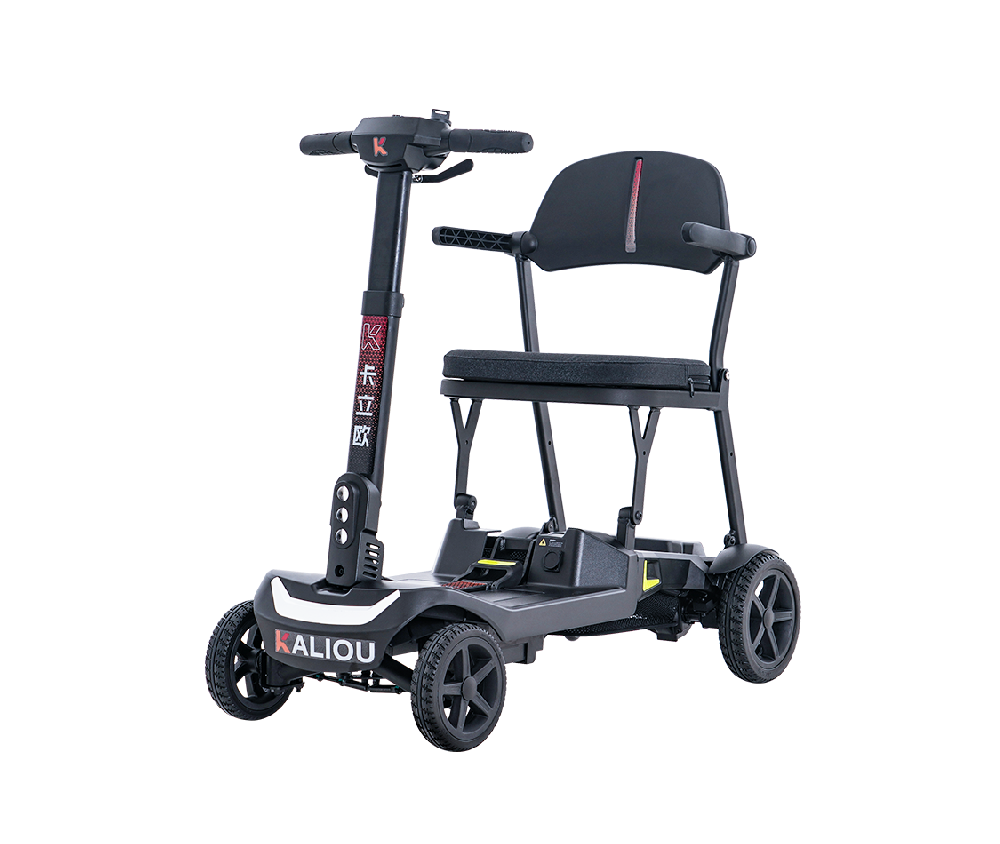


Guaranteeing the safety of mobility products for the elderly requires coordinated efforts from all parties. For consumers, when purchasing electric wheelchairs, confirm the medical device registration number and verify its authenticity on the official website of the National Medical Products Administration. Refuse unregistered, manufacturer-less and certificate-free "three-no" products. Regularly inspect brakes, tires and batteries during use, and never privately modify core parts including motors and batteries. Before buying elderly mobility scooters, recognize the real risks that they cannot be licensed or insured, and follow the principle of "no driving, no modification, no riding and no road use". For regulatory authorities, accelerate the issuance of national standards such as *Technical Specifications for Four-Wheel Low-Speed Electric Vehicles* and *Electric Mobility Scooters for the Elderly* to fill the void in safety standards for elderly mobility scooters. The national recommended standard *Electric Mobility Scooters for the Elderly* is now administered by the National Technical Committee for Standardization of Assistive Devices for Persons with Disabilities, with key drafting organizations including the National Research Center for Rehabilitation Technical Aids, and its formulation is underway. Mandatory safety standards for electric wheelchair batteries shall also be implemented as soon as possible. The safety of elderly mobility products is essentially a matter of how society addresses population aging. To enable seniors to travel steadily and ride safely, we need the protection of standards and the guarantee of supervision, as well as every consumer’s rational consumption — selecting safe and compliant products and rejecting dangerous vehicles full of hidden risks. After all, no convenient mobility tool can compare with a safe journey home.
